


The municipality stretches over 80 km from north to south and encompasses several climate zones and types of vegetation. There are many beautiful places to explore, both in the town centre and in the countryside. To help you get started, we have put together a selection of tips covering different themes and suggestions for where to begin looking for photo opportunities.
For easier directions to the natural areas, we have used our hiking trails as starting points, each with its own map and trail description. The lakes are easy to find on the map, so we have limited our suggestions to the following locations:
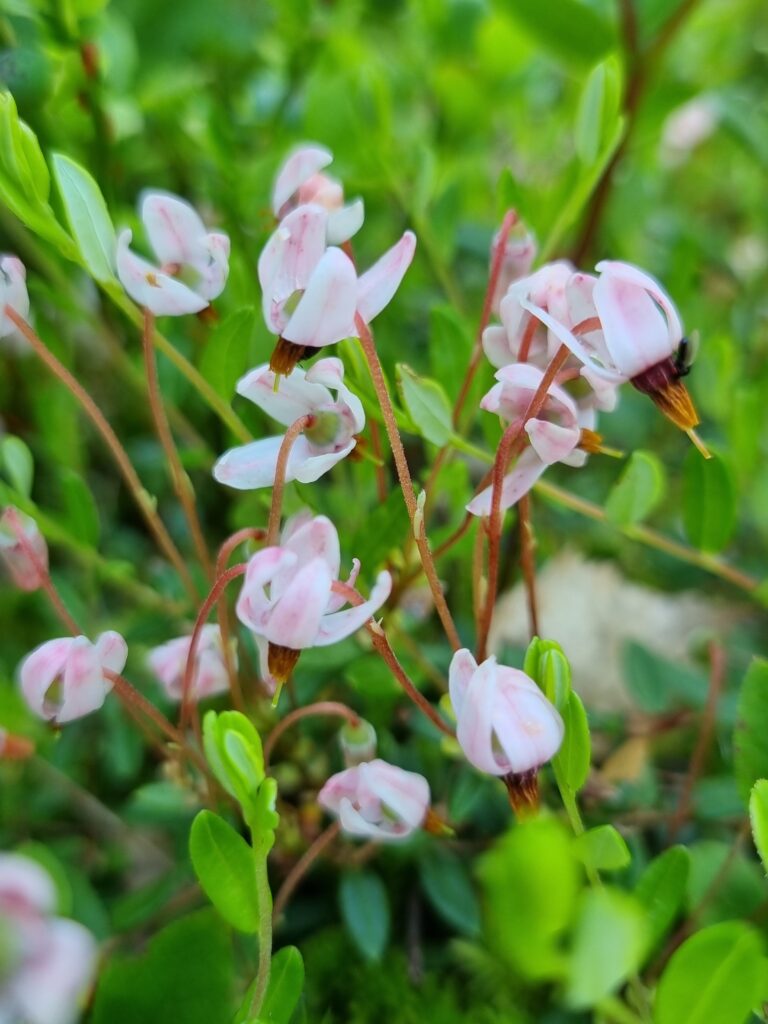
Rich flora:
Lafallhöjden (a Natura 2000 site with high-altitude hay meadows), the Duke’s Trail, and the areas around old abandoned crofts often still have traditional plants that have survived over time. One example is Lövhöjden, where the Kyrkstensleden and Finnvägen trails meet.
Along the Sotar Blixt Trail, Djupdalsleden, the Duke’s Trail, and Svarthavet, there are sections with interesting and varied vegetation. Bergs Klätt and Stömne Nature Reserves are renowned for their spring flowers.
Wetmark:
Sotar Blixt Trail (Svartmossen), Stömne Trail (Abborrmossen and Åltjärnsmossen), Duke’s Trail (Sundsmossen), Svarthavet (several smaller wetlands), Southern Gunnarskog Trail, Eastern Finn Trail (Långmyren), Western Finn Trail (Slobymyren, Pornamossen), Finnskog Trail, Section 2 (Stora Stenmyren, Rödmyren, Oxtjärnsmyren).
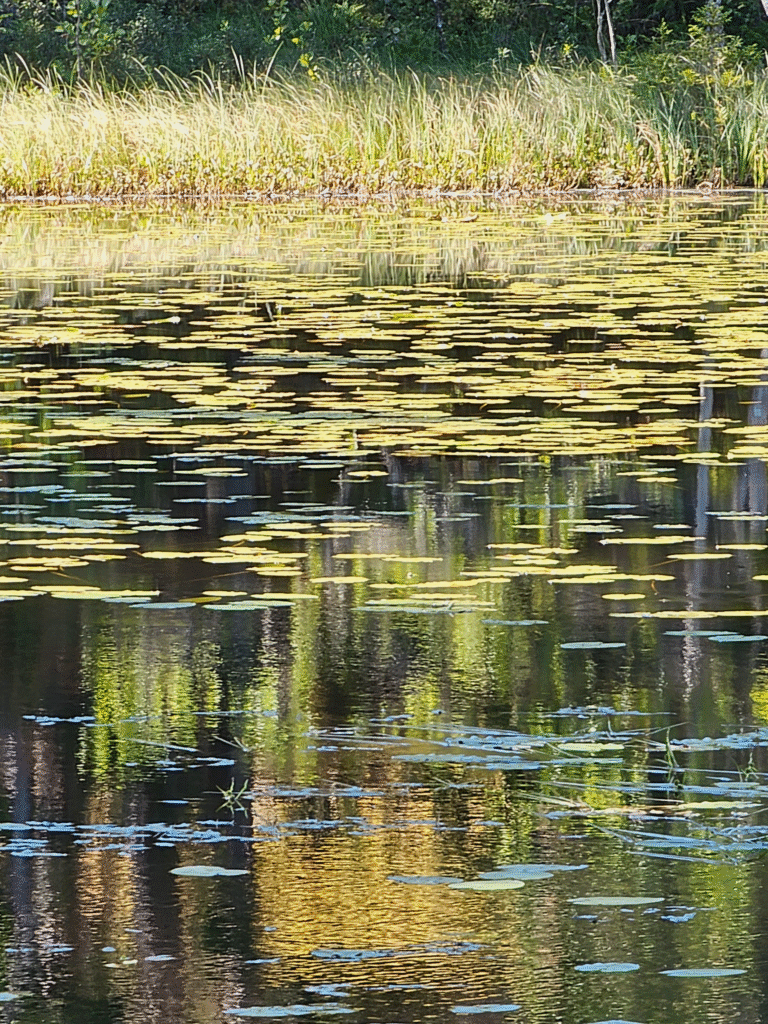
Pond:
Gravås Trail (Mjögtjärnet), Gallberg Trail (Hartjärnet), Öjenäsbäcken (Gretjärnet), Stömne Trail (Hammartjärnen, Djuptjärn, Holmtjärnen, Slöjtjärnen, Åltjärnen), Eastern Finn Trail (Långtjärnet), Western Finn Trail (Fågeltjärnet), Svarthavet (Igeltjärnet, Stora Skottjärnet), Northern and Southern Gunnarskog Trails (Mörttjärn), Southern Gunnarskog Trail (Gårdsåstjärnet, Savtjärnet, Stora Korstjärnet), Duke’s Trail (Stenstjärnet, Abborrtjärnet).
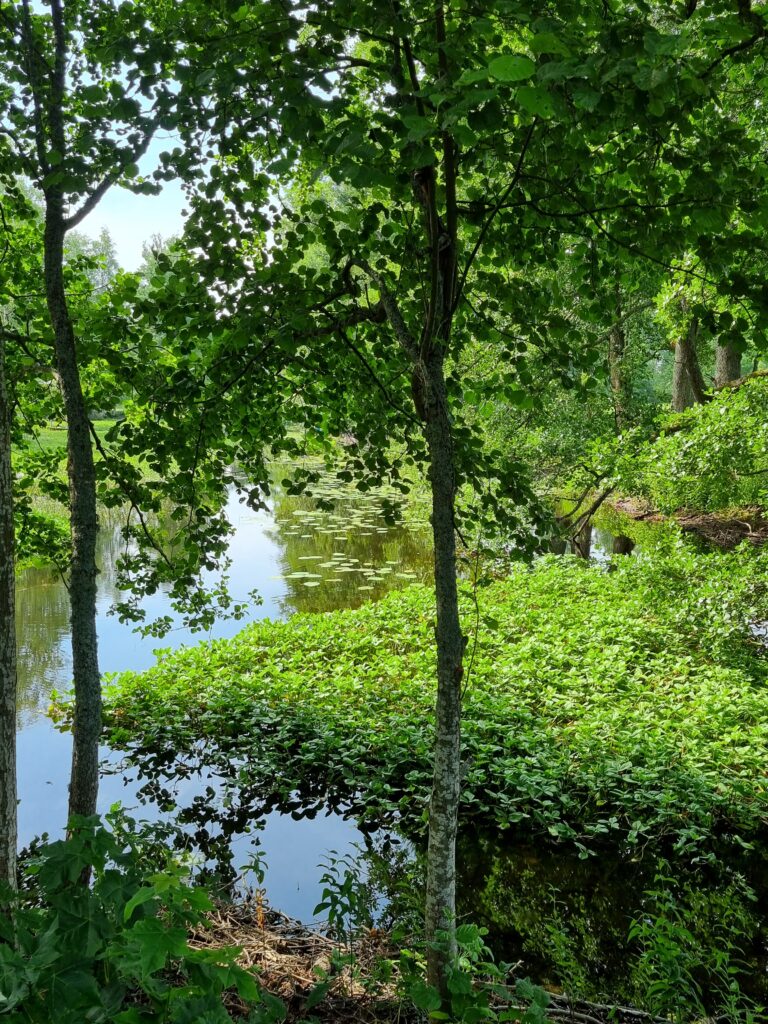
Rivers:
Gravås Trail (Vårforsen dam crossing), Southern Gunnarskog Trail (Gårdsåsälven), Western Värmland Pilgrim Trail (Glasälven), Bruks Trail (Bruksälven).
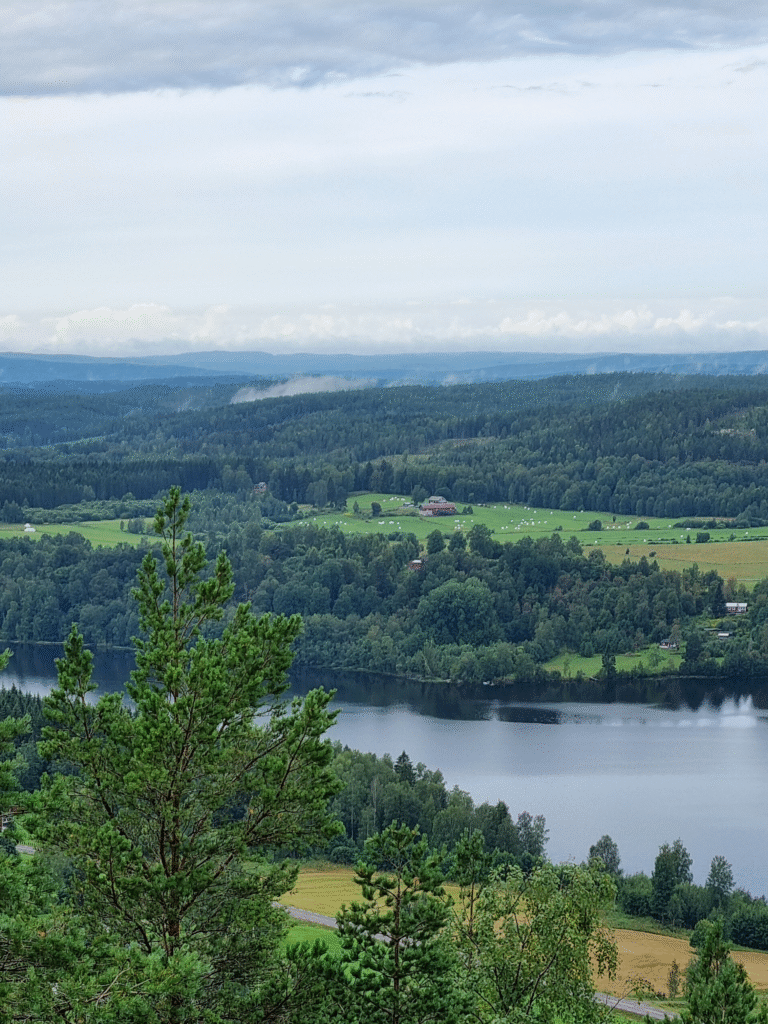
Viewing Towers and scenic viewpoints:
Storkasberget (viewing tower), Northern and Southern Gunnarskog Trails (Ryggestaberget viewing tower), Northern Gunnarskog Trail (Solbergsliden, Lafallhöjden), Stömne Trail (Hammarklätten ancient hillfort ruins), Eastern Finn Trail (Humsjön area), Western Finn Trail (near Röstorp), Gallberg Trail and Sotar Blixt Trail (Gallberget), Sotar Blixt Trail (Racken viewpoint), Djupdal Trail (Djupdalshöjden), Western Värmland Pilgrim Trail (Torrgårdshöjden).
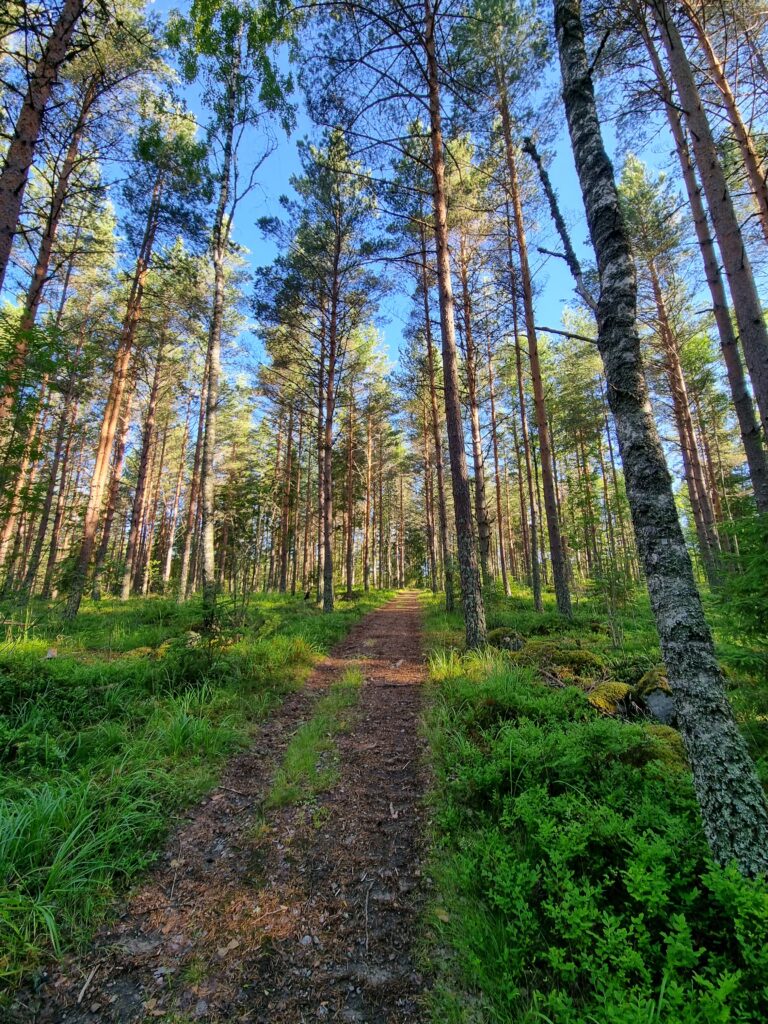
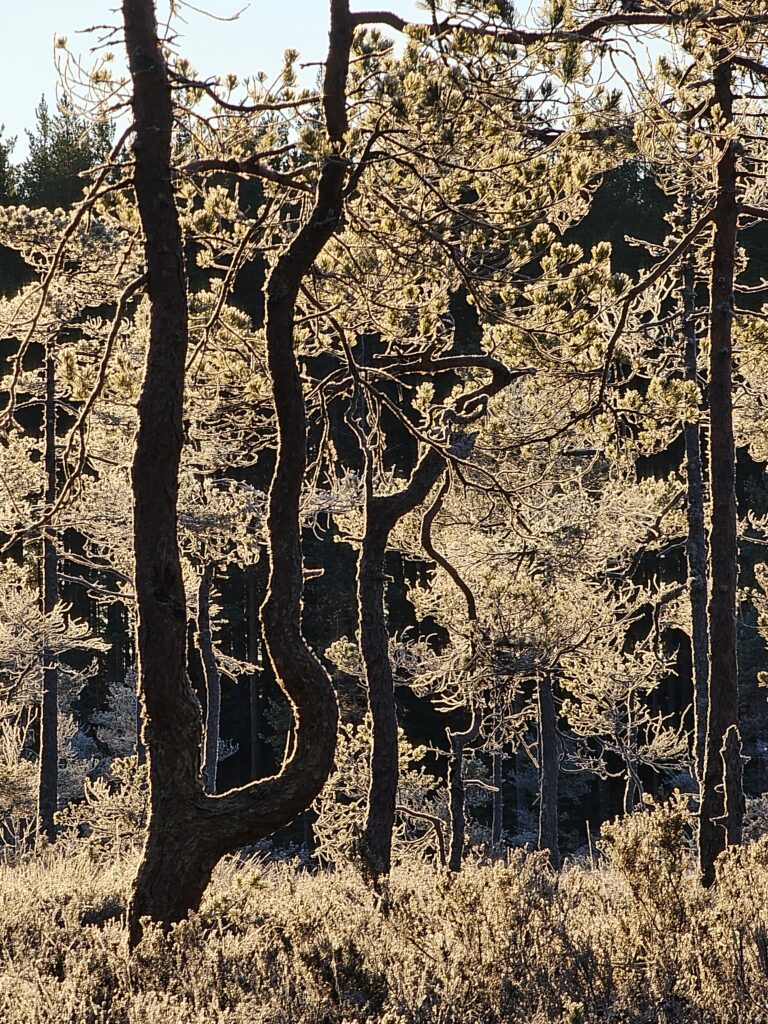
Coniferous forest: Coniferous forests dominate the municipality, with spruce often forming continuous woodland across large areas. Fine stands of pine can be found along the Stömne Trail, particularly around Åltjärnen, and along the Southern Gunnarskog Trail between Korstjärnet and Ryggestaberget. Pine forests can also be found on the heights of Gallberget and Göpommen along the Gallberg and Sotar Blixt Trails. The Finnskog Trail features beautiful pine forest areas along the historic border route between Vangen and Skålsjön on section 2.
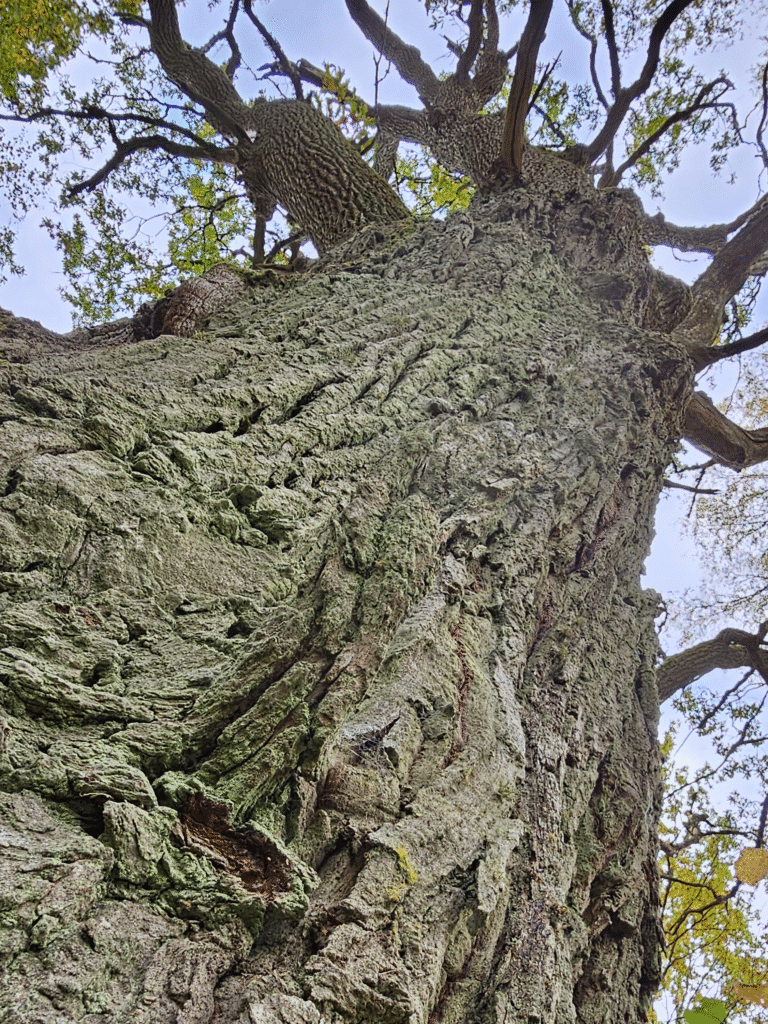
Broadleaf hardwood: Stömne Trail – In the Stömne area, there are stands of valuable broadleaf trees such as oak, Norway maple, and ash, as well as hazel. Near the trail’s final destination at Gängene, several lime trees can be found. Bergs Klätt also has lush deciduous woodlands with hazel and other interesting plant species, although parts of the area are closed due to the risk of falling trees.
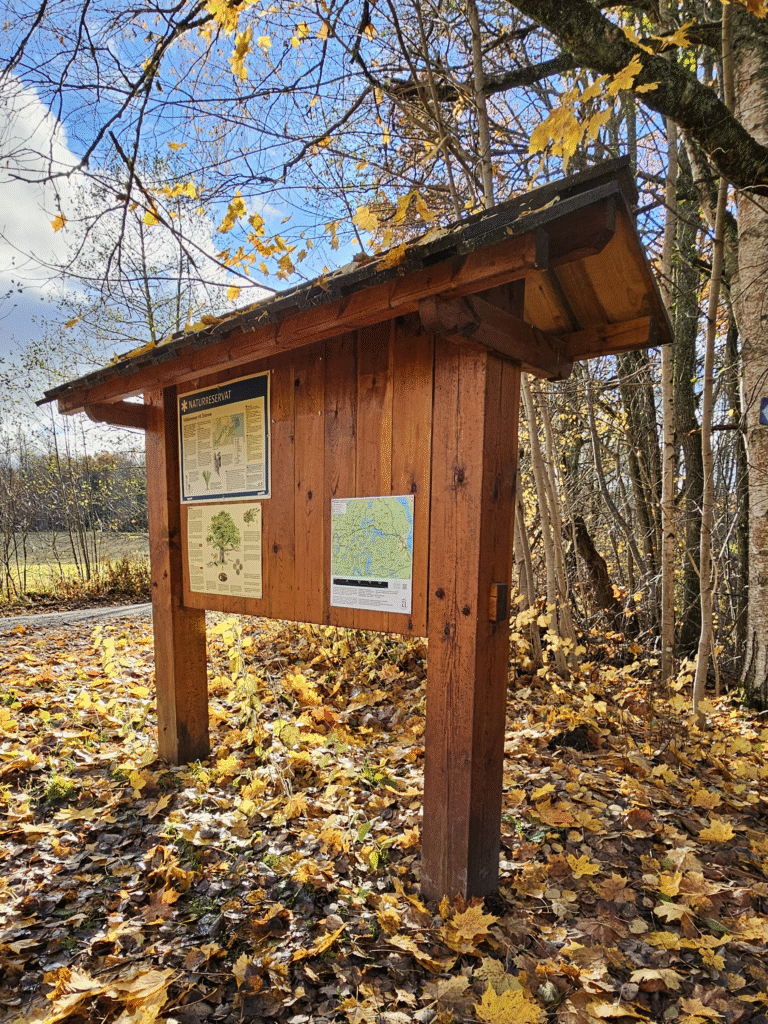
Areas that combine nature reserves with hiking trails include:
Hertigparets led
Öjenäsbäcken
Svarthavet
Bergs klätt (Please note that parts of the area are closed due to the risk of falling trees.)
Stömne naturreservat
Urban nature areas:
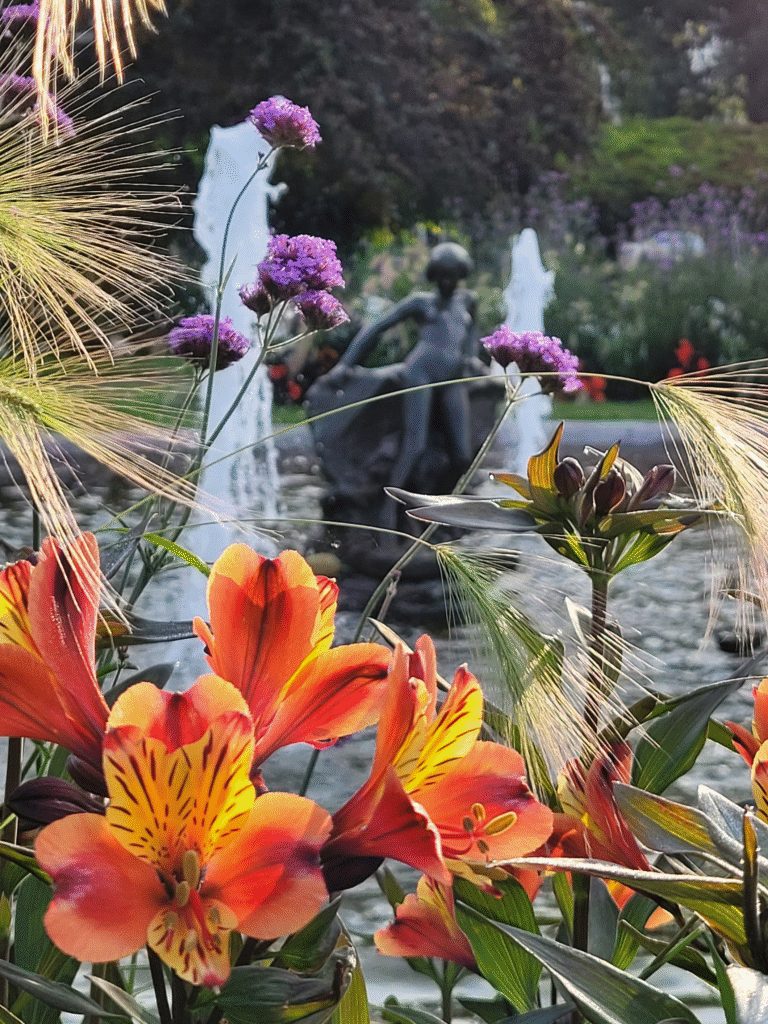
Arvika City Park is a beautiful place to capture in photographs. In 2019, it was named by Elmia Park Inspira as “the country’s most beautiful and inspiring park.” Each year, a new floral theme brings the park to life. It is also famous for its long pergola and its impressive collection of more than 70 tree species planted since its opening in 1911.
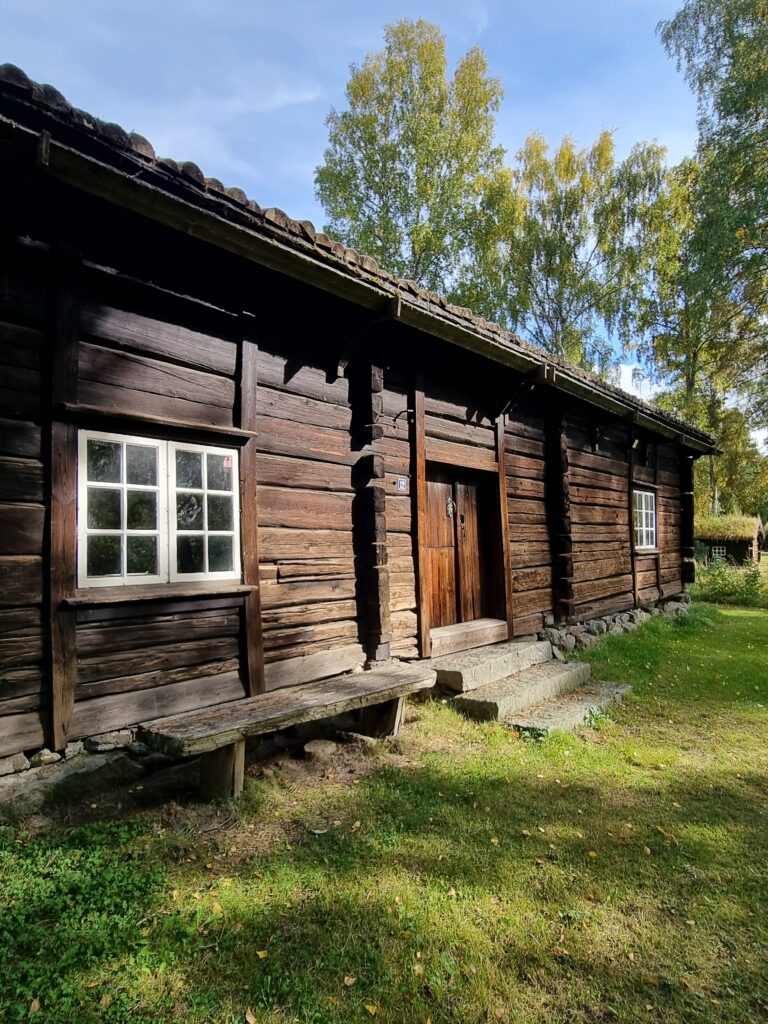
Sågudden was Värmland’s first open-air museum when it opened in 1922 and is beautifully situated by Kyrkviken. The museum features around 20 historic buildings dating from the 17th to the 19th centuries. From here, a short walk takes you out to Viksholmen, offering beautiful views of Arvika’s town centre. The open-air museum’s collection includes around 20 buildings from western Värmland, representing life and architecture from the 17th to the 19th centuries. When it was inaugurated in September 1922, Sågudden became Värmland’s first open-air museum.
Other cultural heritage sites:
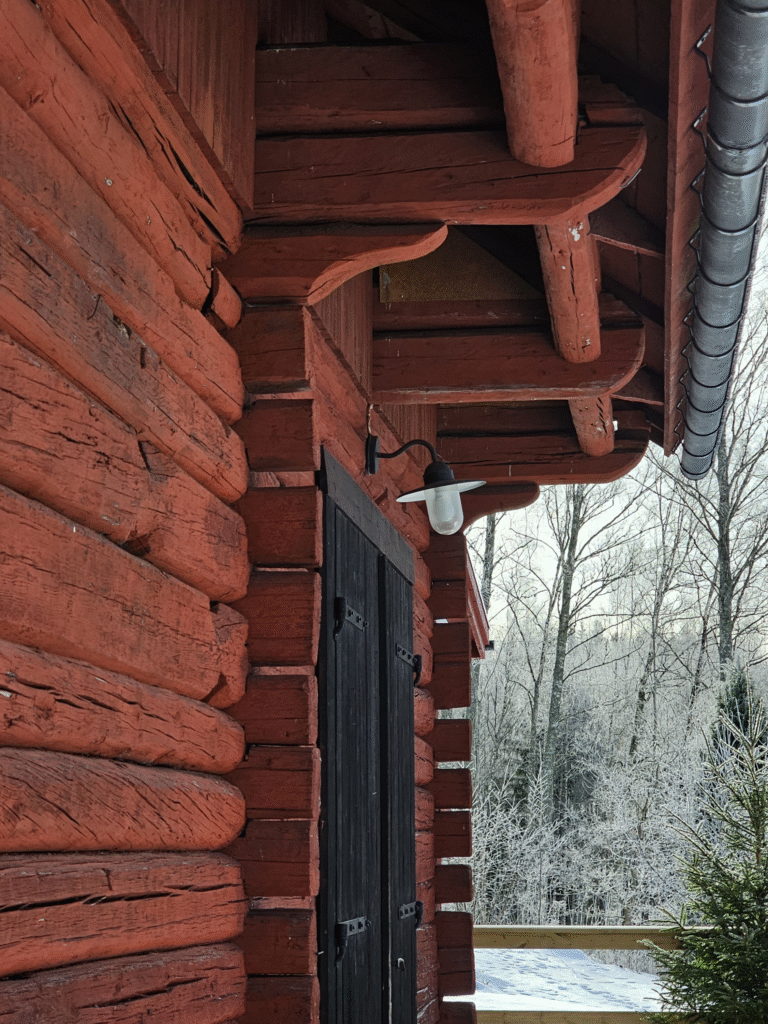
Local heritage farms:
Brunskog, Glava, Gunnarskog, Mangskog, Stavnäs, Älgå
Churches:
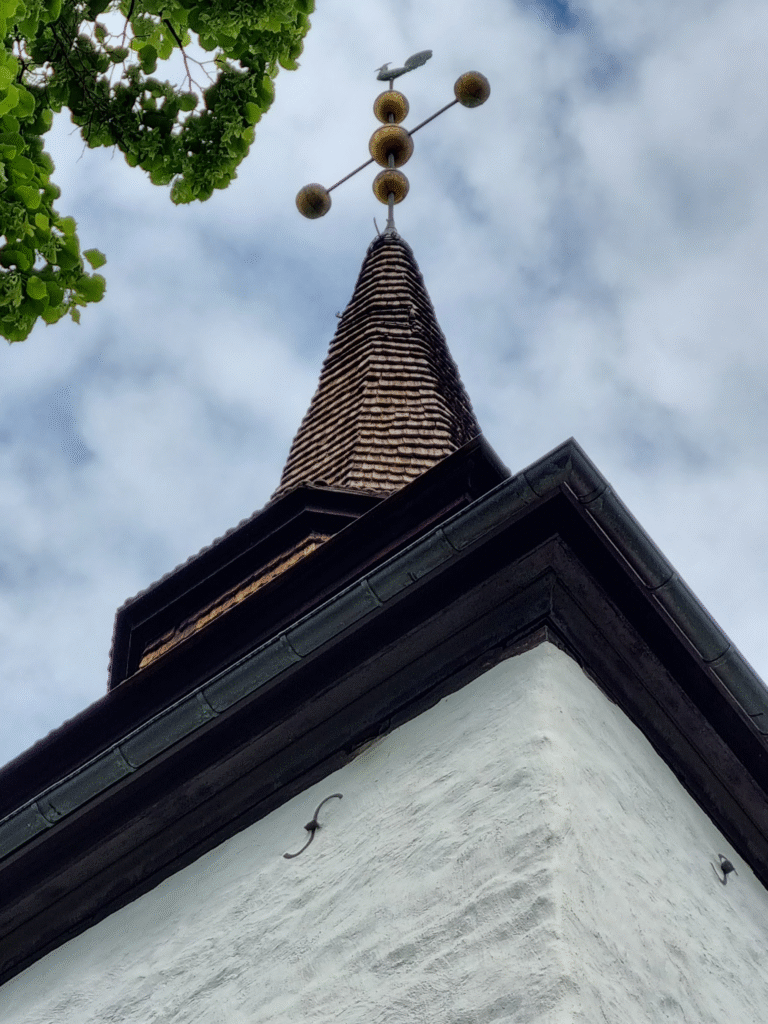
Bogen (Wooden church), Brunskog (by Lake Värmeln), Glava, Gunnarskog (by Lake Gunnern), Mikaelikyrkan (in Arvika, by Lake Glafsfjorden) Mangskog (by Lake Mangen), Ny (by Lake Nysockensjön), Stavnäs (by Lake Glafsfjorden), Trefaldighetskyrkan (in central Arvika) Älgå (at Lake Glafsfjorden).
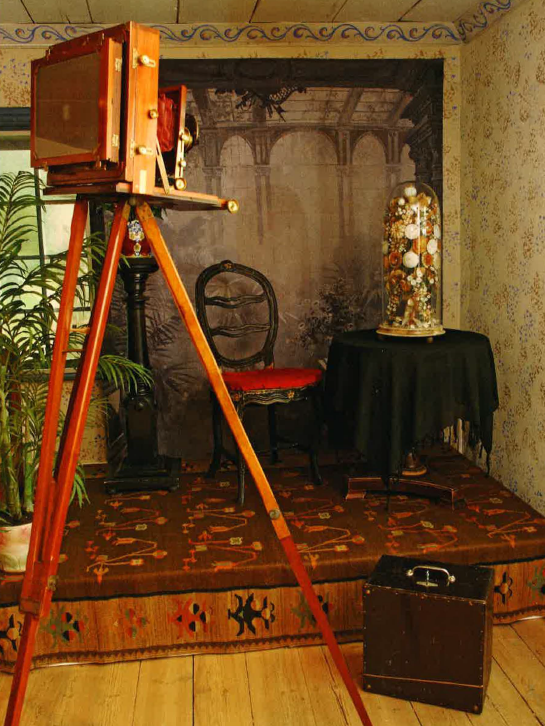
Arvika´s Photographic History
Permanent photography studios began to be established in Arvika during the 1860s. The first resident photographer to open a studio in the town was Sofia Dahlman, who started her business in 1864 (source: Kvinnor bakom kameran, p. 8). In 2020, an exhibition at Sågudden highlighted Sofia Dahlman and other female photographers who were active in Arvika. The exhibition content was later compiled into the brochure Kvinnor bakom kameran (Women Behind the Camera) by Majken Magnusson. Historical photographs from early Arvika can be found in the Arvika Municipality Historical Image Archive.
Photo: Sågudden
For photography enthusiasts:
– Proffs Radio TV Foto – A photography store offering new and second-hand equipment. Storgatan 28, +46 570-185 50.
– Arvika Naturfotografer (Arvika Nature Photographers) – The association behind the photo calendar Gamla Arvika (“Old Arvika”) publishes the annual calendar, which is available for purchase at Arvika Tourist Center, Proffs Radio TV Foto, Fordonsmuseet, Lokal, and Nordells Konditori. The association also organises exhibitions, photography competitions, and photo presentations.
– Photography exhibitions: Throughout the year, there are usually several photography exhibitions to visit, for example at Galleri 39, Arvika Library, and Arvika Art Gallery. Current exhibitions can be found at the events calendar.
– Photography and photo editing courses are occasionally offered by Studieförbundet Vuxenskola and PixPep.